
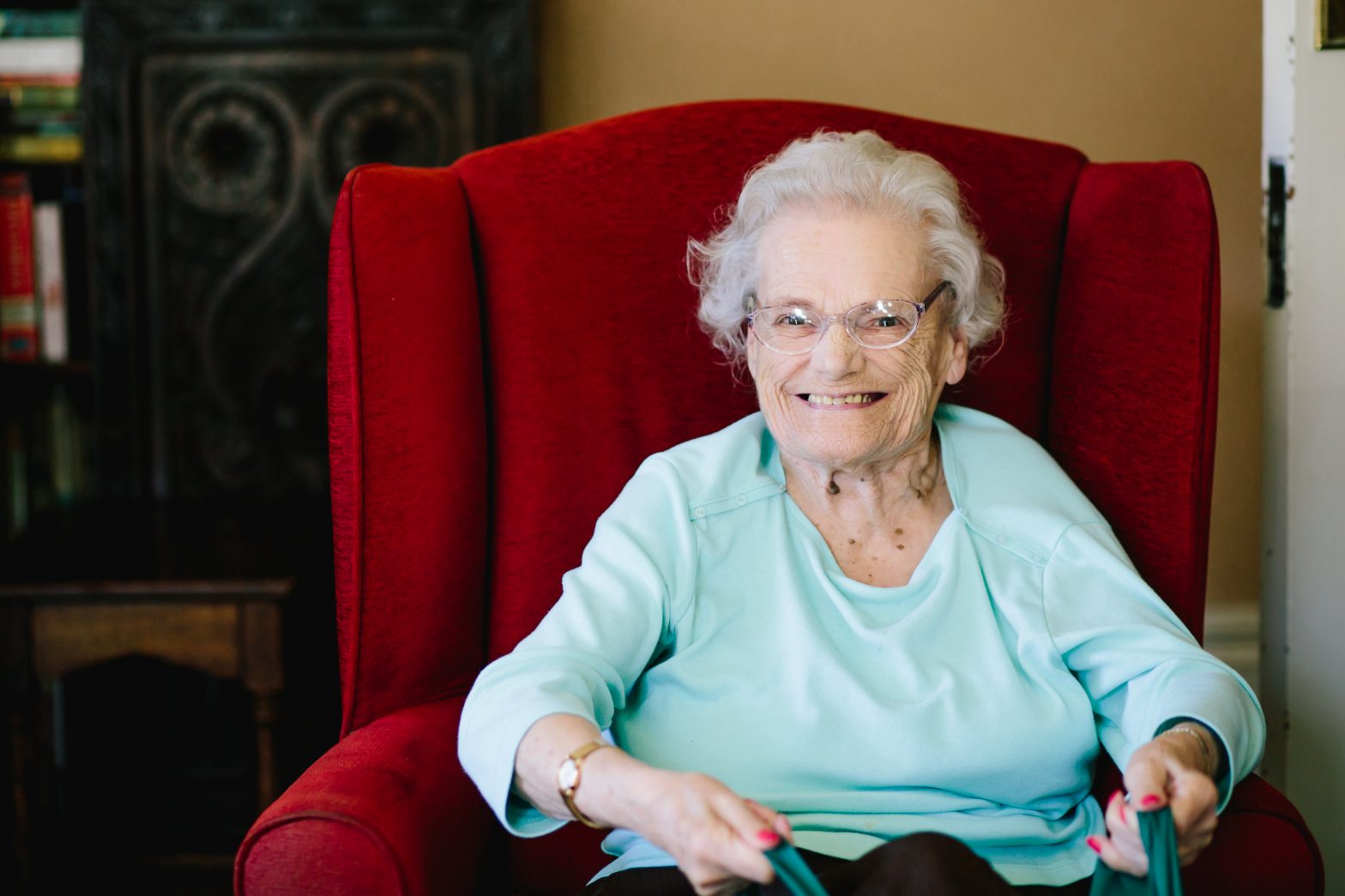
From May 3rd visitors to Birchwood House will be able to hold hands and enjoy face-to-face conversations with their loved ones as part of the next step of lockdown easing.
To date visitors have been using a Covid-safe pod in Birchwood House to see and chat to their relatives, with no contact allowed. Now two regular visitors will be allowed indoors, although they must be tested and wear PPE during their visit.
“The residents are really looking forward to being able to hold hands with their loved ones. Visits really are an important part of life at Birchwood and help residents to maintain their quality of life,” explained Manager Helen.
“The visits are also being welcomed by friends and relatives, who have not been able to hold hands for over a year. However, we must ensure that everything is done safely to protect all those involved,” she added.
Visits must be pre-booked
The nominated visitors must pre-book their visit a minimum of 48 hours before, and there will be a maximum of four visits per day to allow for meal times and vital cleaning. Visitors will need to arrive 30 minutes before their visit time to allow time for the rapid lateral flow test result.
Indoor visits will be in the lounge and visitors will also be encouraged to use Birchwood’s glorious gardens to see their loved ones. A garden gazebo will soon be in place to help.
With new variants of the virus emerging, Birchwood House will continue to adhere to all the infection control measures currently in place to ensure that any risks are minimised. Staff and residents have received their second vaccinations, and staff are tested three times a week.
If you’re thinking of arranging care for a loved one or friend, please complete our online enquiry form, call us on 01892 863559 or email us at birchwood@birchwoodhouse.org.uk.
Other articles you may like
- How seasonal change can stimulate the senses
 When the seasons change, it often has a way of making us notice the world around us. The crunch of leaves beneath our feet, the changing colours in the garden, and even the return of cooler mornings all awaken something different for our senses.
 - Apple and Plum Crumble
 Welcome to September! It’s officially autumn, and at Birchwood House, that means it’s time to share one of our favourite, warming puddings.
 - Slow cooked beef casserole
 We love Nicky Corbishley’s take on a lighter version of this classic British dish. It’s become a staple over the summer and our resident’s have enjoyed the fresh variation, which makes use of crisp vegetables and couscous.
 - Why routine matters later in life
 As we grow older, familiarity often becomes increasingly important. Small daily routines – whether it’s enjoying a morning cup of tea, reading the newspaper after breakfast, tending to the garden, or listening to a favourite song before bed – can provide comfort, confidence, and a reassuring sense of normality.
 - Kentish Treacle and Lemon Tart
 Chef John always creates the most delicious desserts, and he hasn’t missed with this one either. The mouth-watering Kentish lemon tart has not disappointed and is super easy to make. We have taken inspiration from BBC Good Food.
 - How can we protect our residents in the sun?
 A few years ago, we’d be lucky to see a summer that would hit mid-twenty degrees. July would usually fall between 19°C to 23°C, and whilst it would be hot, it was nowhere near the mid-thirties!
 - Chicken Caesar Salad
 Chef John’s salads are always a hit, so here’s another variation on a timeless classic. Chicken caesar salad uses little ingredients to create maximum flavour, and the dish is easily customisable to whatever you fancy. We’ve taken inspo from BBC Good Food for this one. You can also boost this dish with extra veg, like cucumber, carrot, radishes and tomatoes. In this heat, veg with high water content (such as lettuce) is also great for staying hydrated.
 - What are the different roles in a care home?
 At Birchwood, everyone plays their part. We take so much pride and care in the work that we do, and knowing we can make a difference in our residents’ lives makes all the difference. We genuinely care about our residents, and the connections we make is what makes us so special. We make sure every resident can enjoy their time here, and feel cared for every day with loving, qualified staff. And because our team is nothing short of exceptional, we thought it’s time to introduce everyone! Here, we want to spotlight all the different roles in our care home, and just how each person supports our residents’ wellbeing.
 - How can we support adults with neurodiversity?
 Neurodiversity is increasingly talked about in care, especially when it comes to meeting emotional needs. And whilst it’s so good to see this happening, sometimes older adults are left out of the conversation. Focus tends to be on children, particularly for school support and early diagnosis.