
Art & Craft
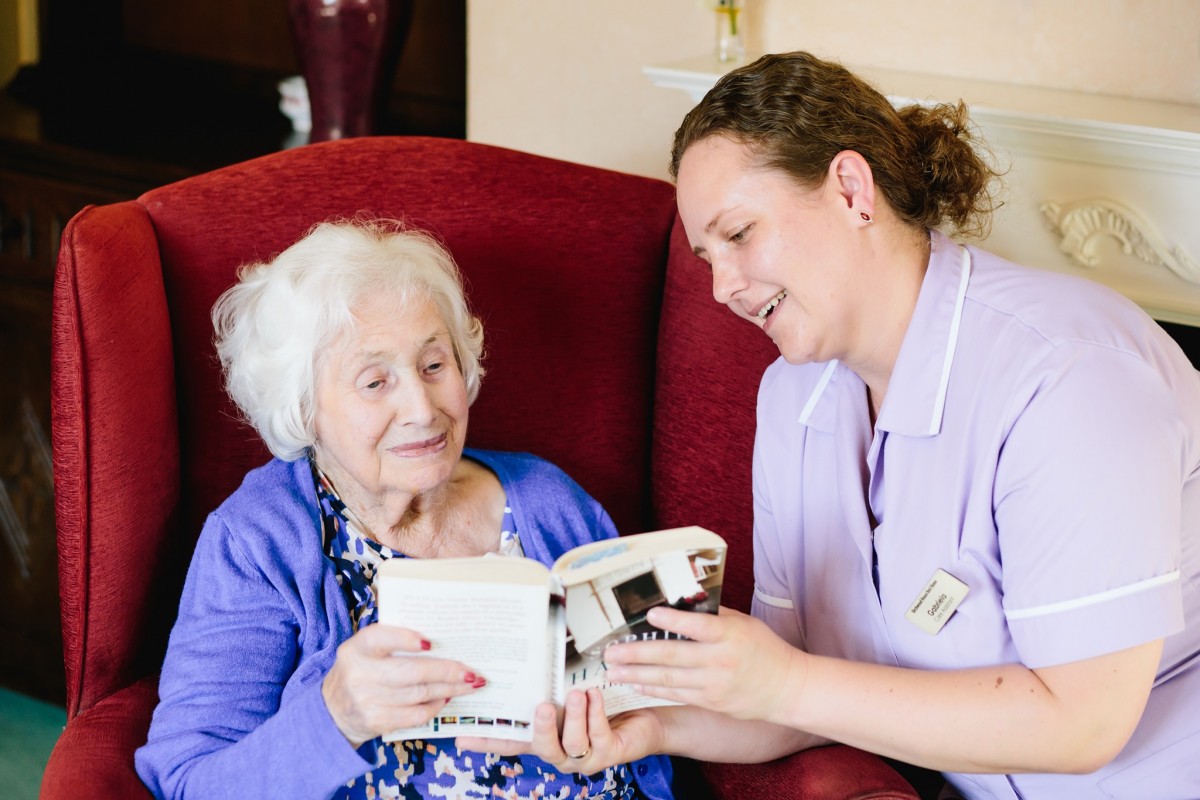
At Birchwood House, we love to encourage our residents to participate in a variety of art and craft sessions – especially at this time of year and there are so many reasons why creative activities can have a positive effect on the mind, soul – and even the body!
Many elderly people shy away from creative activities – they feel as though they are not ‘artistic’ – but every resident is given the opportunity to participate and engage in art & craft activities tailored to their ability.
As people get older, they sometimes lose the ability to communicate effectively or engage in activities that they once enjoyed, causing frustration. Crafting can help give seniors a sense of purpose, boosting their confidence. Crafting can reduce feelings of anxiety, isolation and brings about a general feeling of happiness. In fact, studies have shown that a simple activity such as painting or knitting releases the feel-good chemical dopamine, a natural anti-depressant found in the body. Working together also encourages conversation, and sometimes new friendships are born over a crafting table!
Getting creative is ideal for keeping an elderly person’s mind focused and busy. Just as with young children, something as simple as cutting and sticking or painting can help with an elderly person’s dexterity and motor skills – as well as being highly cathartic. It also helps with hand-eye coordination; following a pattern or creating a design of their own stimulates different parts of the brain.
Creative therapy is also an ideal activity for those with dementia and Alzheimer’s as painting or colouring will take them back to happy times spent as a child, or with their own children.
We firmly believe in the therapeutic benefits of the creative arts and are delighted to offer art and craft sessions for our residents – we will soon be working to design Christmas cards! To find out more about the other activities we have here on offer at Birchwood House, please get in touch…
Other articles you may like
- How seasonal change can stimulate the senses
 When the seasons change, it often has a way of making us notice the world around us. The crunch of leaves beneath our feet, the changing colours in the garden, and even the return of cooler mornings all awaken something different for our senses.
 - Apple and Plum Crumble
 Welcome to September! It’s officially autumn, and at Birchwood House, that means it’s time to share one of our favourite, warming puddings.
 - Slow cooked beef casserole
 We love Nicky Corbishley’s take on a lighter version of this classic British dish. It’s become a staple over the summer and our resident’s have enjoyed the fresh variation, which makes use of crisp vegetables and couscous.
 - Why routine matters later in life
 As we grow older, familiarity often becomes increasingly important. Small daily routines – whether it’s enjoying a morning cup of tea, reading the newspaper after breakfast, tending to the garden, or listening to a favourite song before bed – can provide comfort, confidence, and a reassuring sense of normality.
 - Kentish Treacle and Lemon Tart
 Chef John always creates the most delicious desserts, and he hasn’t missed with this one either. The mouth-watering Kentish lemon tart has not disappointed and is super easy to make. We have taken inspiration from BBC Good Food.
 - How can we protect our residents in the sun?
 A few years ago, we’d be lucky to see a summer that would hit mid-twenty degrees. July would usually fall between 19°C to 23°C, and whilst it would be hot, it was nowhere near the mid-thirties!
 - Chicken Caesar Salad
 Chef John’s salads are always a hit, so here’s another variation on a timeless classic. Chicken caesar salad uses little ingredients to create maximum flavour, and the dish is easily customisable to whatever you fancy. We’ve taken inspo from BBC Good Food for this one. You can also boost this dish with extra veg, like cucumber, carrot, radishes and tomatoes. In this heat, veg with high water content (such as lettuce) is also great for staying hydrated.
 - What are the different roles in a care home?
 At Birchwood, everyone plays their part. We take so much pride and care in the work that we do, and knowing we can make a difference in our residents’ lives makes all the difference. We genuinely care about our residents, and the connections we make is what makes us so special. We make sure every resident can enjoy their time here, and feel cared for every day with loving, qualified staff. And because our team is nothing short of exceptional, we thought it’s time to introduce everyone! Here, we want to spotlight all the different roles in our care home, and just how each person supports our residents’ wellbeing.
 - How can we support adults with neurodiversity?
 Neurodiversity is increasingly talked about in care, especially when it comes to meeting emotional needs. And whilst it’s so good to see this happening, sometimes older adults are left out of the conversation. Focus tends to be on children, particularly for school support and early diagnosis.