
When is it time to think about a care home for loved ones?
Watching loved ones struggle with the effects of old age can be devastating. While we can help by offering informal care in the home – cooking meals, grocery shopping, and general housekeeping – the reality is that caring for an ageing parent or spouse is hard work. The decision to move a family member out of their own home, however, is fraught with conflicted emotion – stress, guilt, financial worry – and sometimes relief. There may be fierce opposition from the elderly patient themselves, but in the long term, and with the right care home, such as Birchwood, it can be a positive and beneficial transition for all involved.
Firstly, though, there are some telltale signs that relatives and caregivers can look for in order to recognise when it might be the right time for a care home:
A fall or illness
For some families, the decision is precipitated by a specific injury or bout of poor health. A fall at home may not only suggest that the current environment is proving to be too challenging but it may have also led to a period of slow recovery in hospital, during which it becomes clear they are not able to return to their own home.
Signs of depression
Depression in old age is not uncommon but it can be made worse by an illness or fall, deterioration in their mental health, such as loneliness and isolation or advancing dementia.
Risk of injury
Elderly relatives may be unable to use the bath safely, cope with stairs or forget to turn off the gas fire in the evening, putting them in potentially life-threatening situations.
Struggling with simple tasks
According to a 2017 Age UK report, the number of people aged 85+ will more than double over the next two decades and by their late 80s, more than one in three people have difficulties performing simple tasks unaided. Being unable to dress, cook and remember to take medication can be a sign that independent living is becoming too difficult.
Looking after an elderly relative can become all-consuming and exhausting. Equally, thoughts of moving them into a care home can be tinged with feelings of guilt. But if care-giving is taking its toll on your physical or mental health, putting pressure on your other relationships, then it may be time to think about the next stage of care for your loved one. You may be at the receiving end of frequent confused or anxious phone calls, have possibly sustained an injury while caring for your parent or struggling financially yourself. If you identify any of these signs, you may wish to begin exploring alternative care home options.
We understand that for an elderly person living independently at home, the decision to move into a care home can be stressful and upsetting. Our aim at Birchwood is to improve residents’ quality of life whilst maintaining their independence. If you are considering the next stage of care for your elderly relative, get in touch and make an appointment to meet our friendly staff and residents and to find out more about life at Birchwood.
Other articles you may like
- How seasonal change can stimulate the senses
 When the seasons change, it often has a way of making us notice the world around us. The crunch of leaves beneath our feet, the changing colours in the garden, and even the return of cooler mornings all awaken something different for our senses.
 - Apple and Plum Crumble
 Welcome to September! It’s officially autumn, and at Birchwood House, that means it’s time to share one of our favourite, warming puddings.
 - Slow cooked beef casserole
 We love Nicky Corbishley’s take on a lighter version of this classic British dish. It’s become a staple over the summer and our resident’s have enjoyed the fresh variation, which makes use of crisp vegetables and couscous.
 - Why routine matters later in life
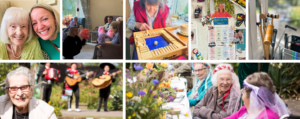 As we grow older, familiarity often becomes increasingly important. Small daily routines – whether it’s enjoying a morning cup of tea, reading the newspaper after breakfast, tending to the garden, or listening to a favourite song before bed – can provide comfort, confidence, and a reassuring sense of normality.
 - Kentish Treacle and Lemon Tart
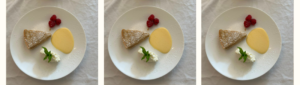 Chef John always creates the most delicious desserts, and he hasn’t missed with this one either. The mouth-watering Kentish lemon tart has not disappointed and is super easy to make. We have taken inspiration from BBC Good Food.
 - How can we protect our residents in the sun?
 A few years ago, we’d be lucky to see a summer that would hit mid-twenty degrees. July would usually fall between 19°C to 23°C, and whilst it would be hot, it was nowhere near the mid-thirties!
 - Chicken Caesar Salad
 Chef John’s salads are always a hit, so here’s another variation on a timeless classic. Chicken caesar salad uses little ingredients to create maximum flavour, and the dish is easily customisable to whatever you fancy. We’ve taken inspo from BBC Good Food for this one. You can also boost this dish with extra veg, like cucumber, carrot, radishes and tomatoes. In this heat, veg with high water content (such as lettuce) is also great for staying hydrated.
 - What are the different roles in a care home?
 At Birchwood, everyone plays their part. We take so much pride and care in the work that we do, and knowing we can make a difference in our residents’ lives makes all the difference. We genuinely care about our residents, and the connections we make is what makes us so special. We make sure every resident can enjoy their time here, and feel cared for every day with loving, qualified staff. And because our team is nothing short of exceptional, we thought it’s time to introduce everyone! Here, we want to spotlight all the different roles in our care home, and just how each person supports our residents’ wellbeing.
 - How can we support adults with neurodiversity?
 Neurodiversity is increasingly talked about in care, especially when it comes to meeting emotional needs. And whilst it’s so good to see this happening, sometimes older adults are left out of the conversation. Focus tends to be on children, particularly for school support and early diagnosis.